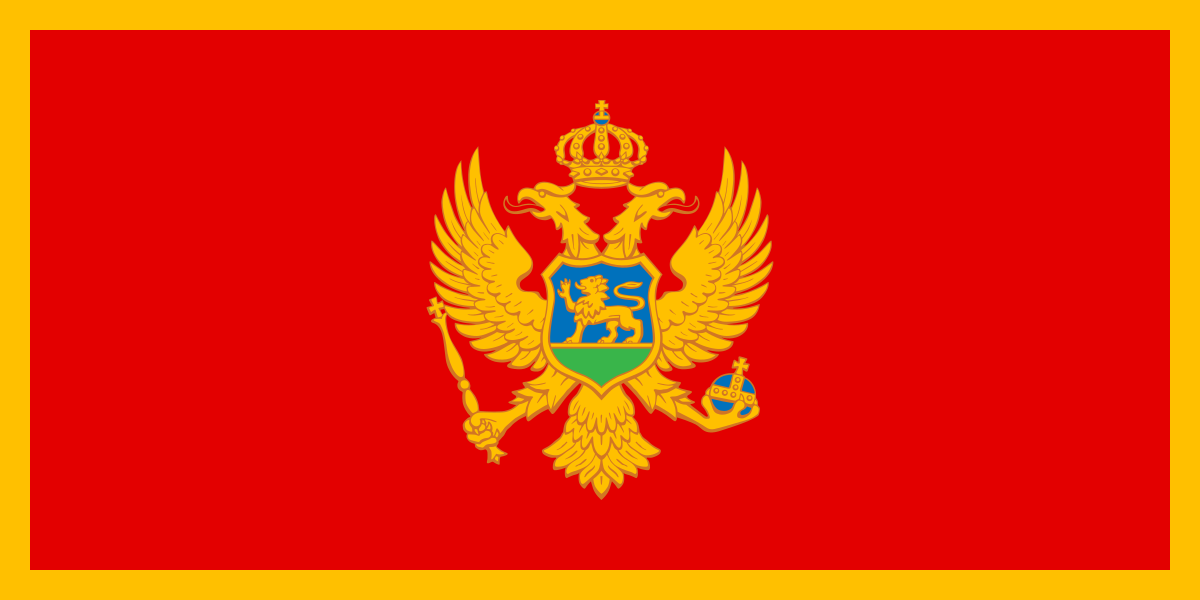
Ministry of Foreign Affairs and European Integration of Montenegro

Managed by the Ministry of Foreign Affairs of Montenegro, this portal provides a secure and transparent platform for eVisa applications, verification, and updates for employers and foreign workers.
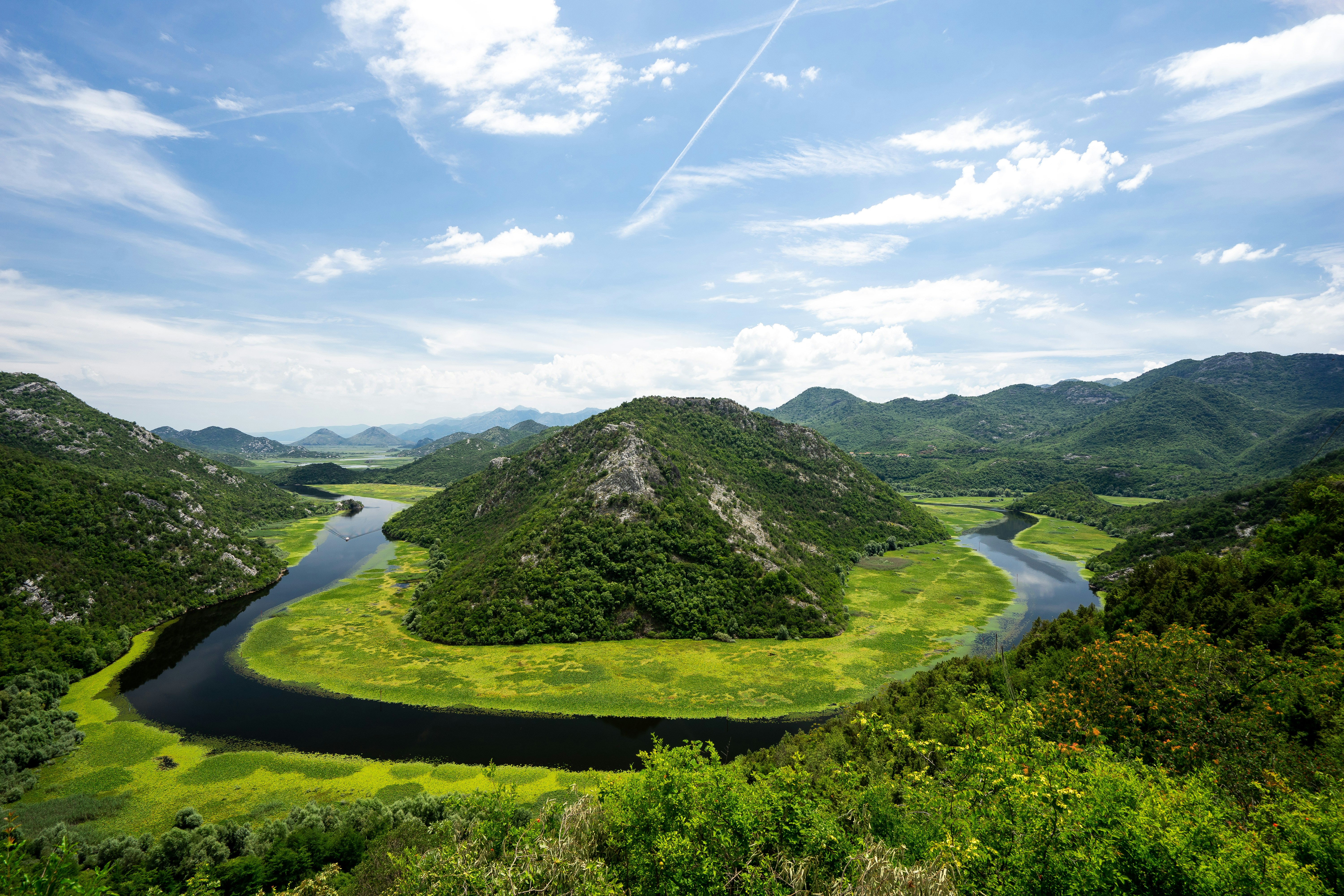
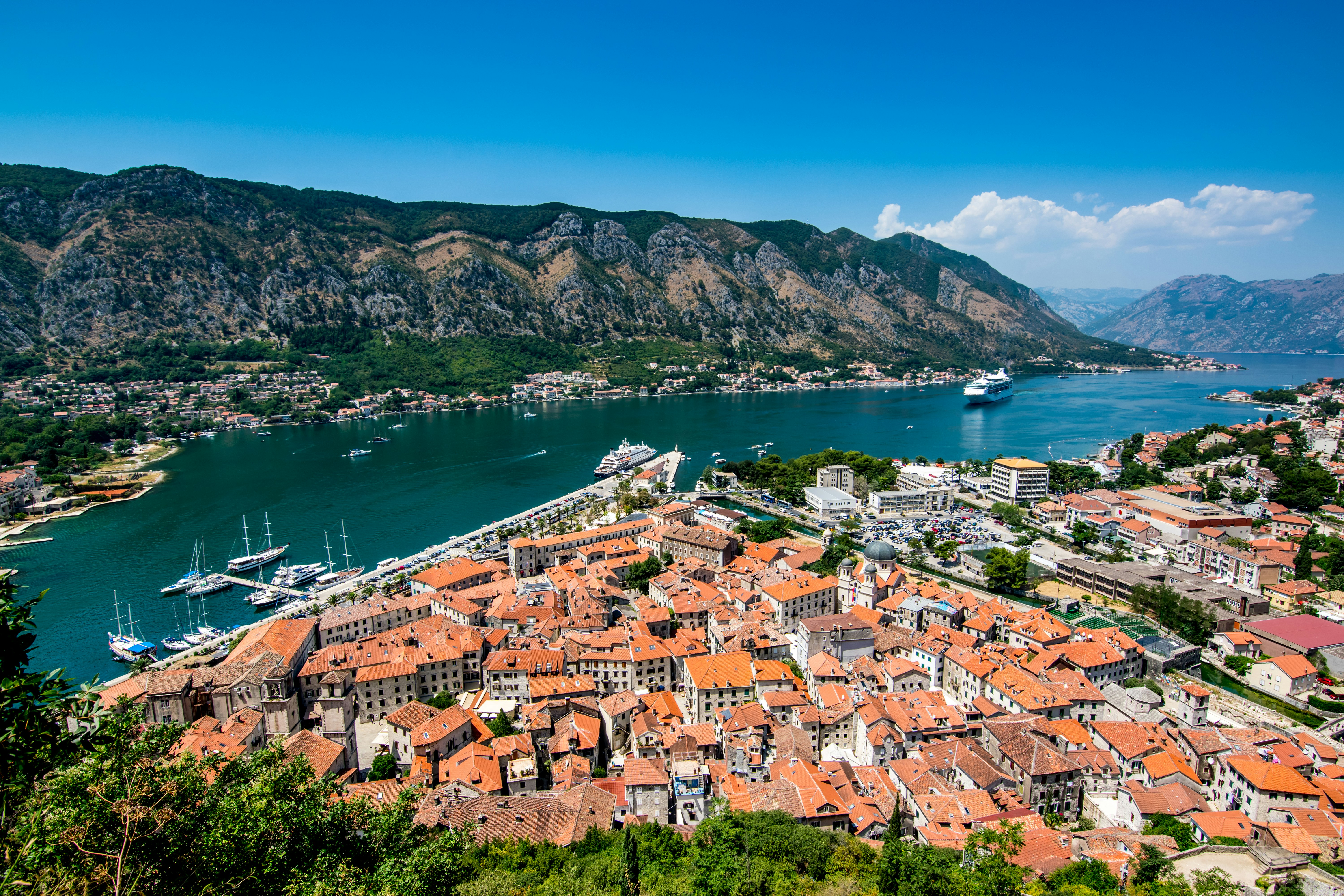
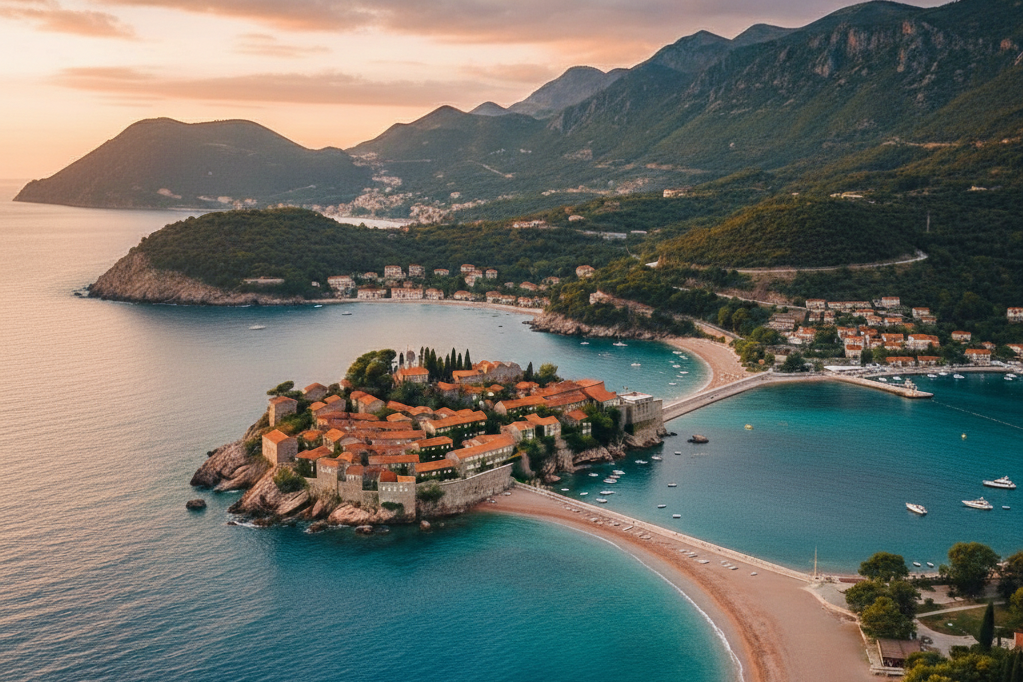
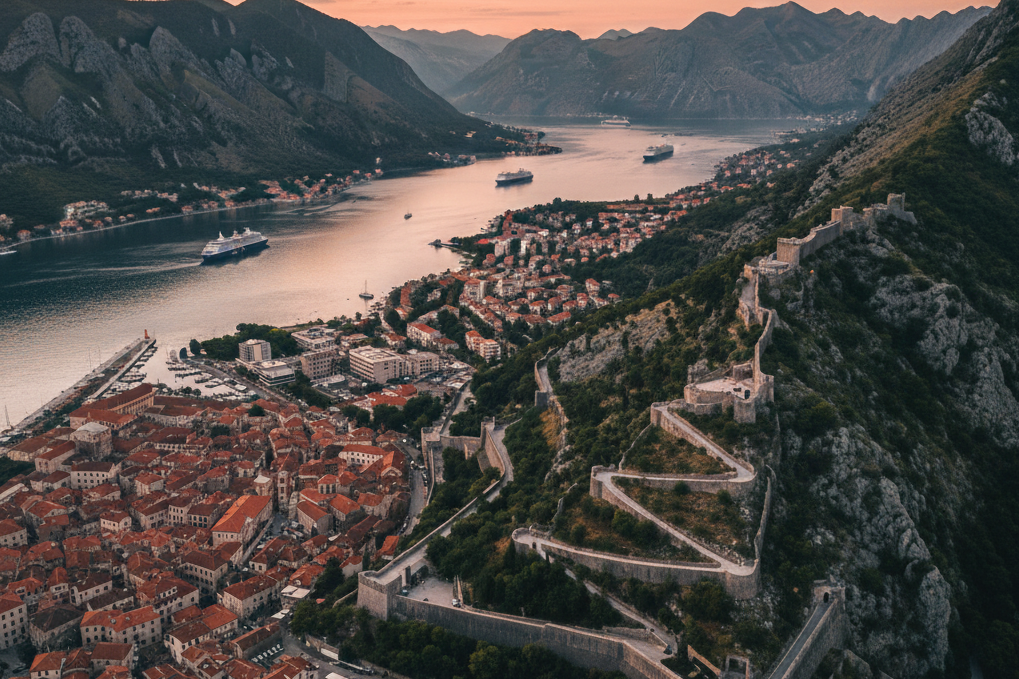
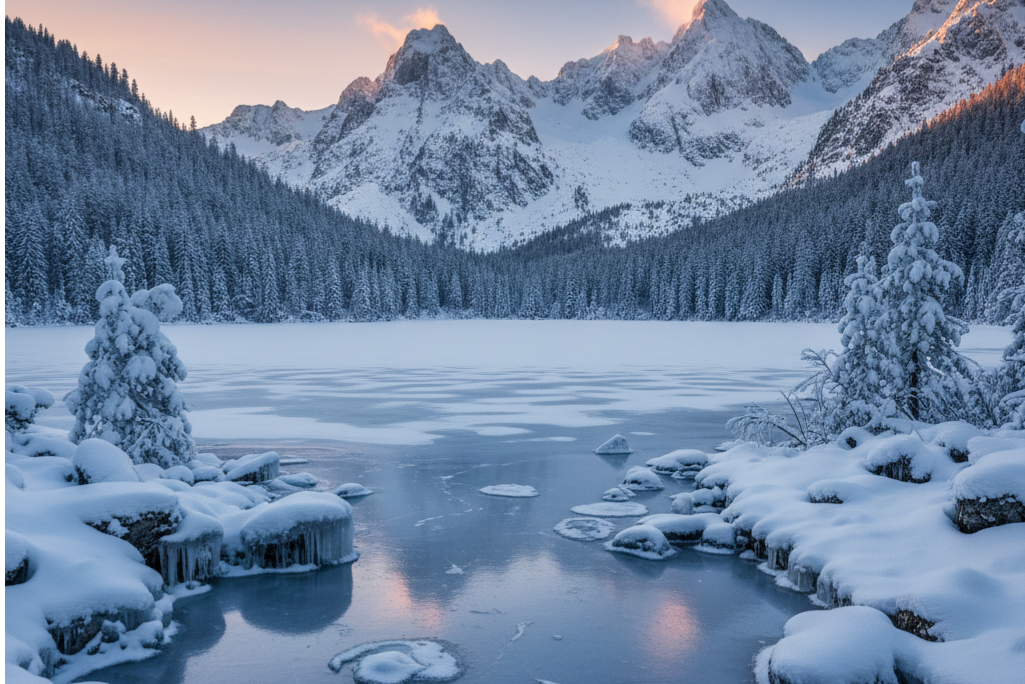
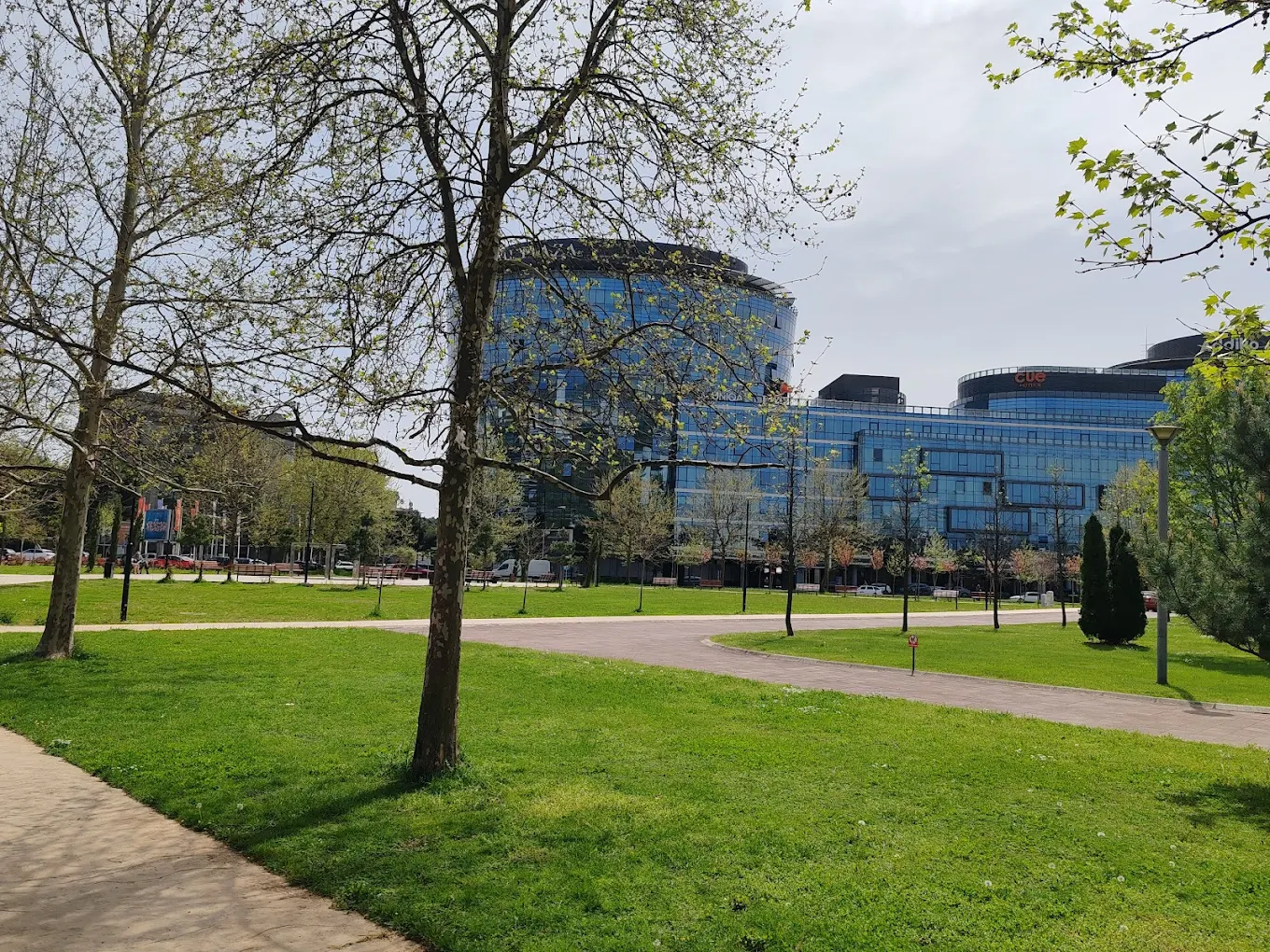
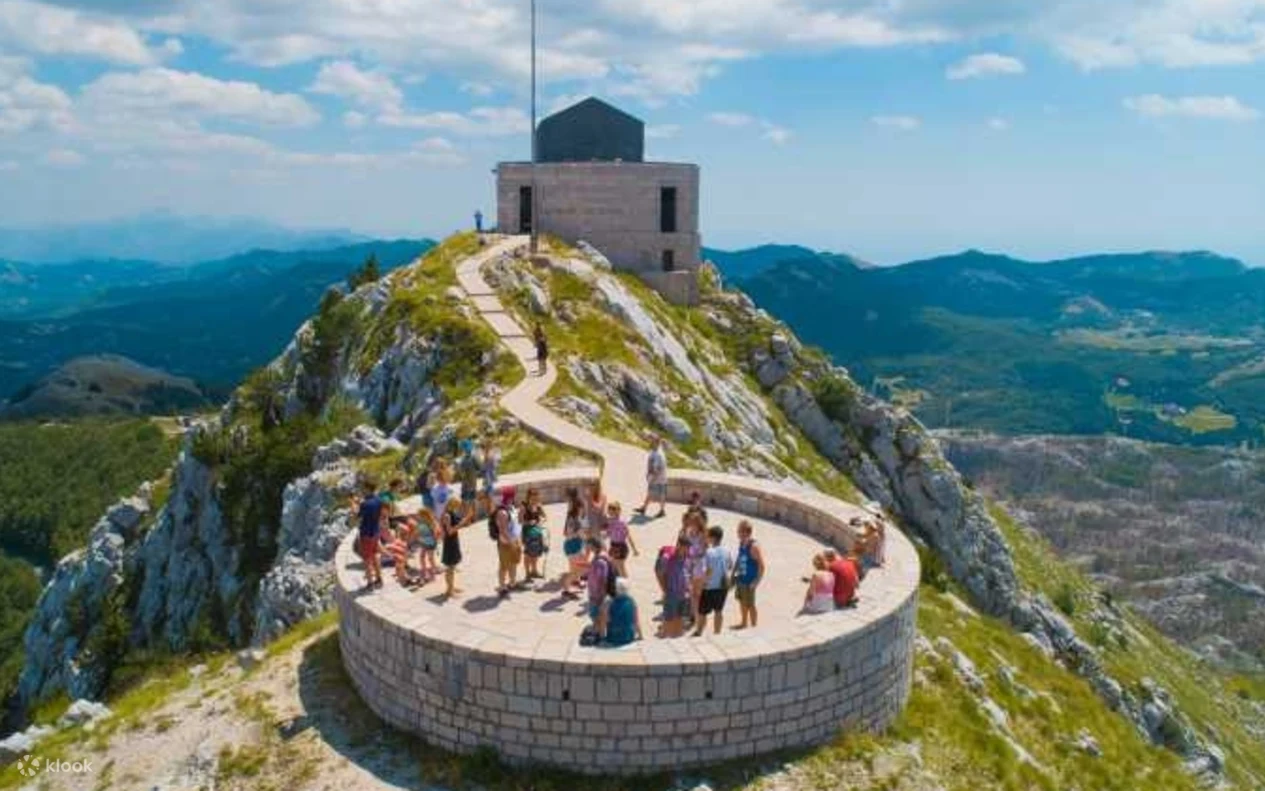
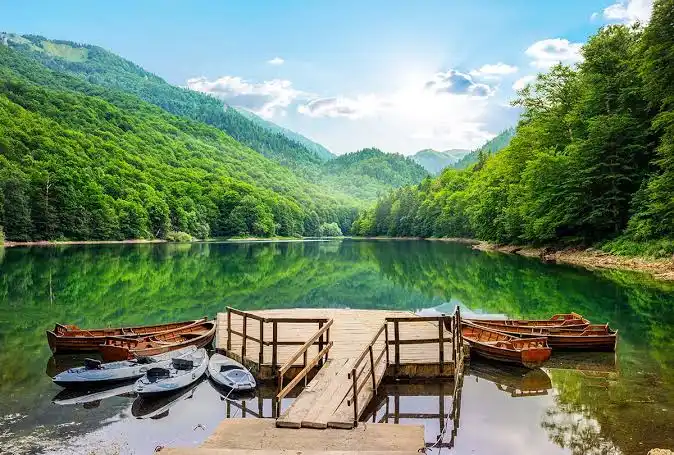
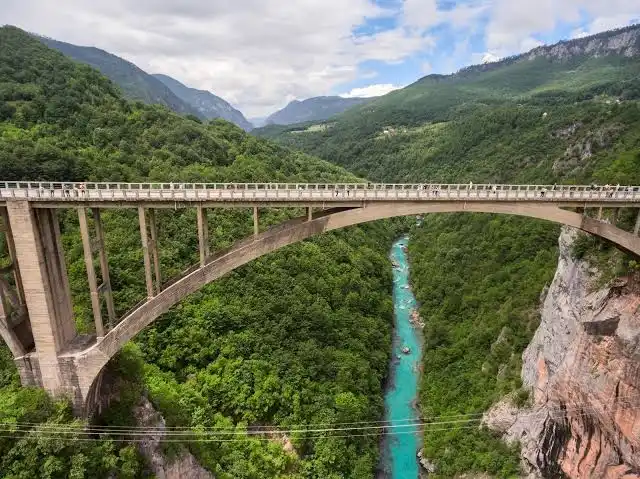
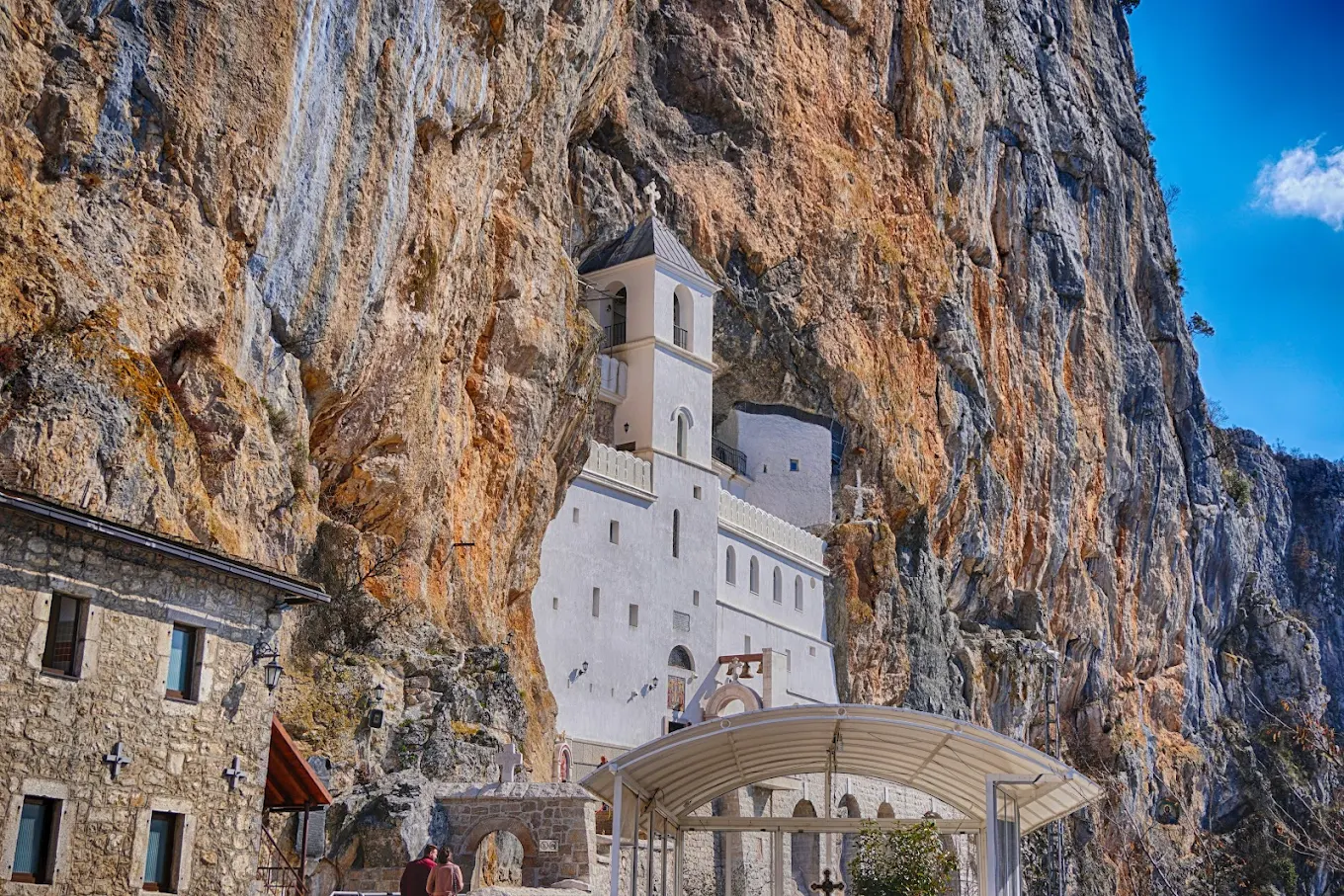
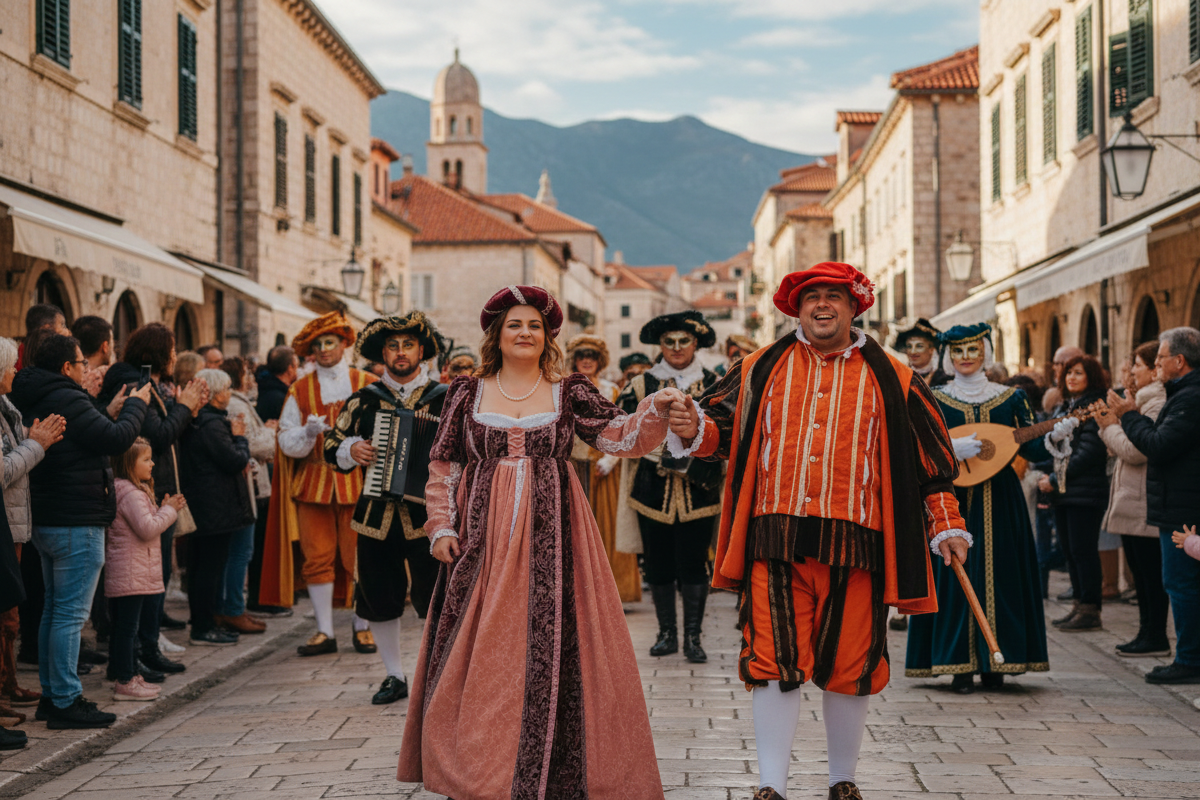
Montenegro is a sovereign country located in Southeast Europe on the Balkan Peninsula, bordered by the Adriatic Sea and several neighboring countries. It gained independence in 2006 and has since developed as a modern European state. With a population of around 620,000, Montenegrin as the official language, and the Euro (€) as its currency, Montenegro is known for its rich cultural heritage, historic monasteries, medieval towns, and diverse landscapes ranging from mountains to coastline. Tourism plays a vital role in the economy, drawing visitors for its stunning beaches, national parks, and UNESCO World Heritage sites.
Tourism: A major pillar of Montenegro’s economy, contributing significantly to GDP. Millions of visitors arrive each year to enjoy its Adriatic coastline, historic towns, mountain landscapes, and national parks.
Energy: The energy sector plays an important role, particularly hydroelectric power, supporting both domestic consumption and regional exports.
Industry & Manufacturing: Key industries include aluminum production, food processing, and wood products, contributing to employment and export revenues.
Agriculture: Agriculture remains important, focusing on wine production, olives, fruits, and livestock farming, especially in rural regions.
Trade & Investment: Montenegro relies on imports for many goods while exporting metals, energy, agricultural products, and tourism-related services. Foreign direct investment plays a vital role in economic growth.
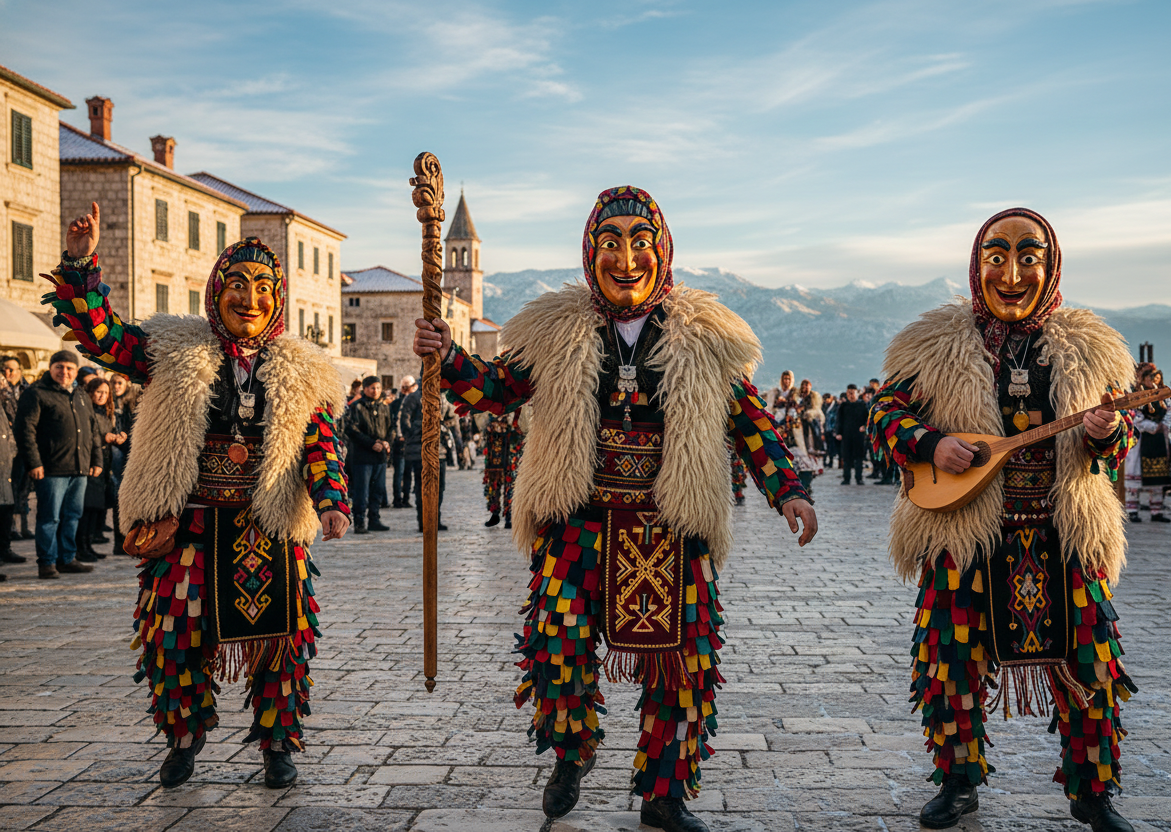
Montenegro’s culture reflects a rich blend of Slavic, Mediterranean, and Balkan influences, shaped by its history at the crossroads of East and West. The official language is Montenegrin, while Serbian, Bosnian, Albanian, and Croatian are also widely spoken.
The country is renowned for its historic monasteries, medieval towns, and traditional architecture, particularly in places like Kotor and Cetinje. Cultural life is marked by national celebrations such as Statehood Day and Independence Day, honoring Montenegro’s heritage and sovereignty.
Modern Montenegro embraces cultural diversity and international exchange, hosting film festivals, music events, and sports competitions that harmoniously combine tradition with contemporary European life.